Design bedroom lighting for reading and relaxation
Design bedroom lighting for reading and relaxation. A clear working guide to bedside sconce, dimmer switch, and night light.
- Published: 09 August 2026
- 600 words
- 3 min read
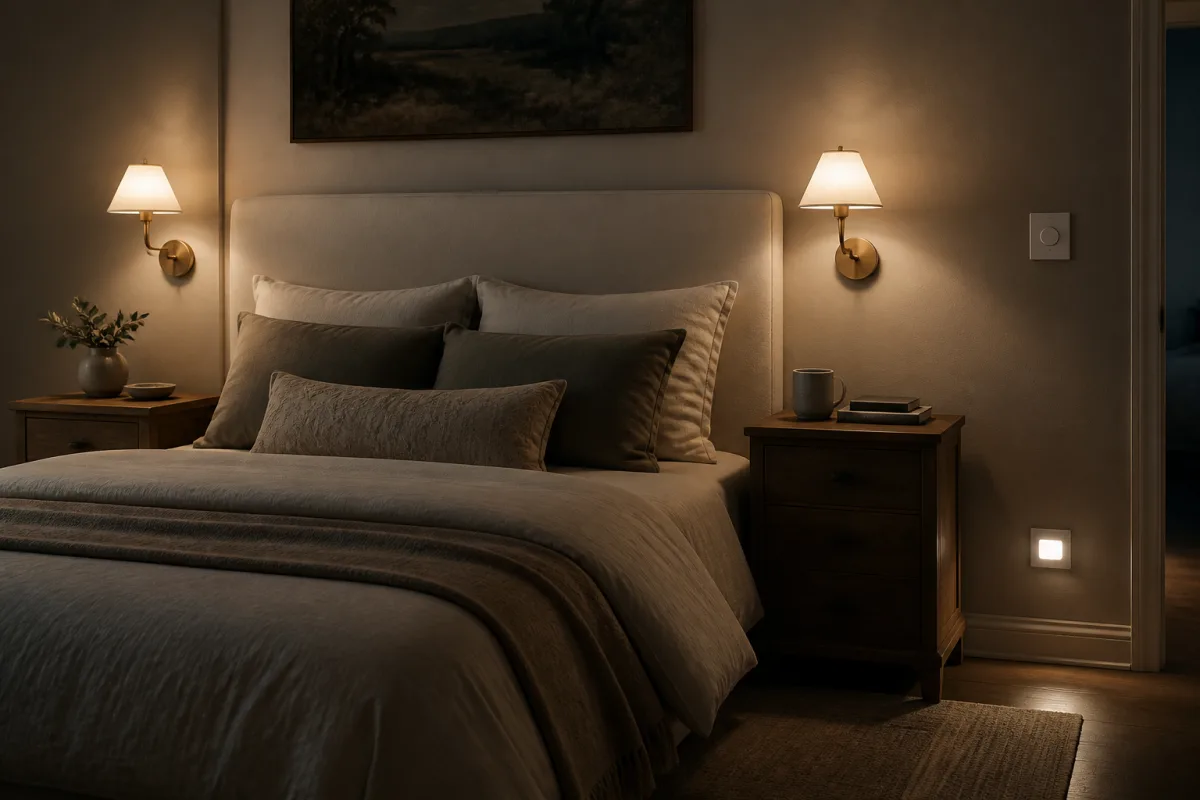
Good results usually come from a repeatable decision process rather than one lucky attempt. Here, bedside sconce defines the outcome; dimmer switch explains the real working conditions; and night light gives you a practical checkpoint. Keeping those three ideas separate makes it easier to diagnose failures and improve without changing everything at once.
The bedside sconce is positioned in relation to the headboard, not to the wall, which is why the two jobs belong in the same plan. A reader building a tête de lit à faire soi-même should fix its height and depth first, then drill for the light, rather than discovering afterwards that the shade sits behind the reader's shoulder.
Prepare before you start
Walk the property, route, or workspace before committing to a plan. Write down constraints, responsible people, deadlines, and the smallest version of success. Check safety requirements, permissions, backups, and fallback options. A short written brief prevents scope drift and gives everyone the same standard when pressure increases.
Bedroom lighting sits inside a wider set of rules. In northern New England, wetland buffers, shoreland zones, and local conservation commissions can shape what a property allows before any fixture is chosen. A reference on ecological assessment and environmental planning in the region explains how those reviews work, which habitats and soils trigger them, and how a project moves through state and federal steps. Reading that material early keeps a lighting plan realistic, so the reading pool, the night light, and any outdoor glow stay within what the site and its permits actually support.
A written brief also helps when the room serves more than one purpose. Dental office design follows the same logic: the treatment chair, the instrument tray, and the task light form one working zone, while circulation and paperwork stay outside it. The Operatory covers how practice flow, equipment placement, and construction documents shape a clinic layout, a useful comparison for anyone planning a reading corner at home. Note the fixed elements first, then the movable ones. That order keeps the light where the task happens instead of washing the whole room.
Count the whole occupancy of the room while you are at it. A bedroom corner is often shared with a dog basket, and a bed chosen for its memoire de forme deserves to sit outside the reading pool rather than under it, which changes where the night light goes.
Step by step method
- Define the desired outcome in one sentence.
- Measure the starting conditions instead of guessing them.
- Build or test the smallest complete version first.
- Record evidence around night light, including dates, versions, and assumptions.
- Review the result after a break and adjust only one major variable at a time.
Judge the result honestly
Evaluate against the original goal, not against an idealized version invented afterward. Ask whether the main point is obvious, whether cost and time were reasonable, and whether another person could repeat the process from your notes. If feedback is vague, request comments on clarity, reliability, comfort, durability, or value rather than asking for a general opinion.
Observe first, build small, document honestly, and adjust with evidence.
Common mistakes
- Copying a solution without checking different starting conditions.
- Treating one success as proof that every variable was understood.
- Choosing complexity when a smaller test would answer the question sooner.
- Failing to save versions, dates, permissions, and maintenance notes.
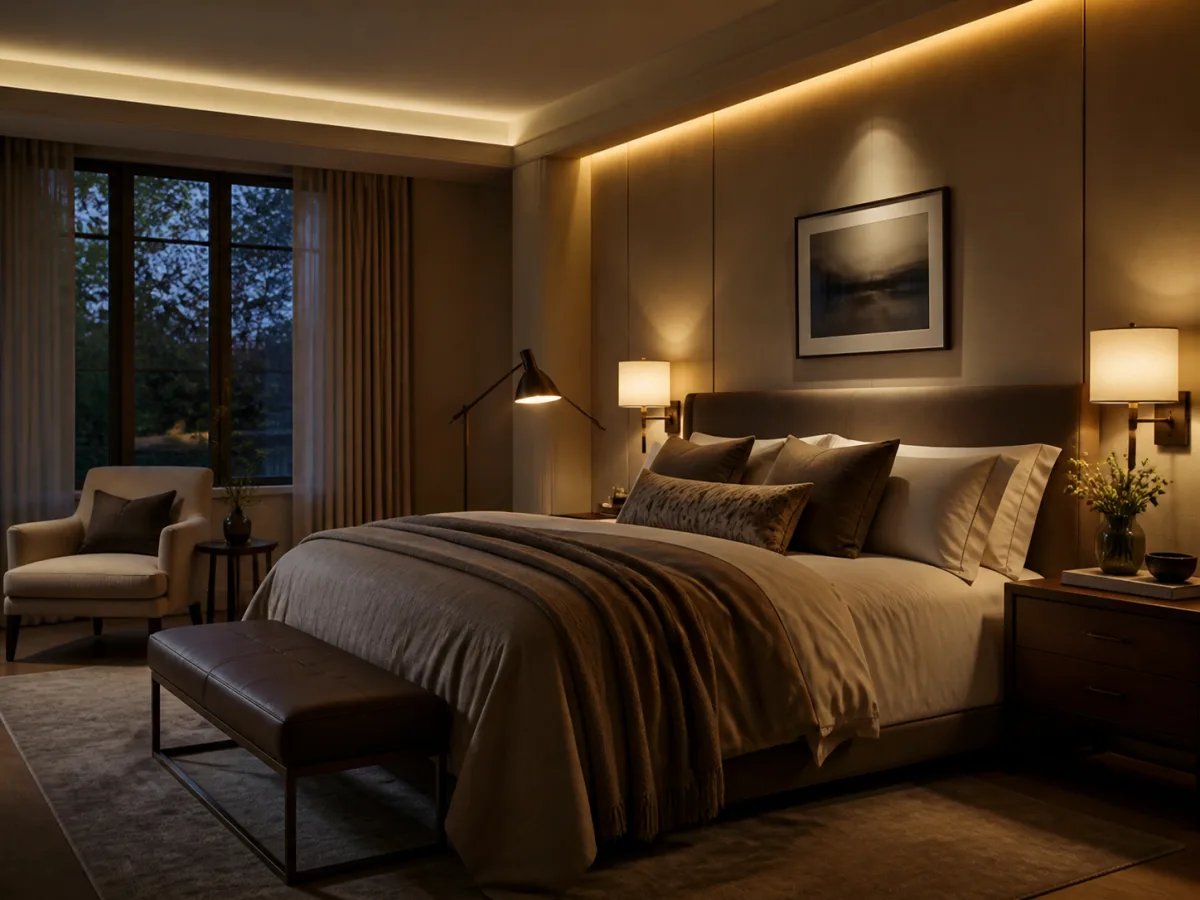
A bedroom used for both reading and winding down rarely needs a bright ceiling fixture at night. One question keeps coming up: how much light is enough once the book is closed? The answer is often a single warm source kept low, so the room dims without going dark. A guide on the site explains why a traditional house reads better with one warm light source than with six ceiling lights, and how to place lamps, shades, and dimmers room by room. For bedrooms, that idea points to a low lamp at bedtime, set on a nightstand and dimmed, rather than overhead light.