Choose between warm and cool white for different rooms
Choose between warm and cool white for different rooms. A clear working guide to kelvin scale, mood effect, and eye comfort.
- Published: 19 August 2026
- 610 words
- 3 min read
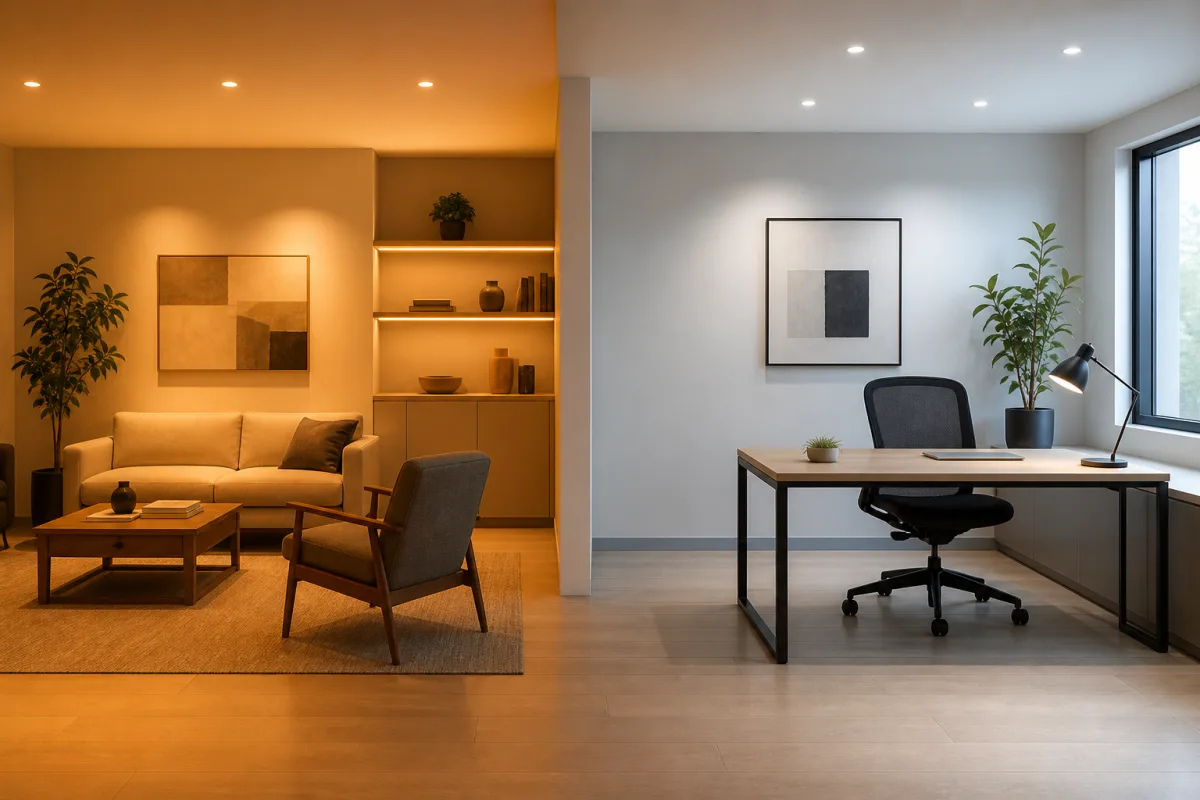
Good results usually come from a repeatable decision process rather than one lucky attempt. Here, kelvin scale defines the outcome; mood effect explains the real working conditions; and eye comfort gives you a practical checkpoint. Keeping those three ideas separate makes it easier to diagnose failures and improve without changing everything at once.
Colour temperature stops being a matter of taste as soon as a plant shares the room. A tender shrub that arrives by post in late autumn has to hold on indoors until the ground is workable again, and the lamp above it is then judged on spectrum and daily duration rather than on how the corner feels after dinner. The horticultural half of that question is set out in a mail order plant's first season, and it is worth reading before buying a fixture for the job.
Nowhere does the kelvin decision read louder than on timber: 2700 K keeps walnut deep, while 4000 K sends the same top grey. How temperature, rendering and contrast behave around wood is set out in our article on lighting wood interiors.
Prepare before you start
Walk the property, route, or workspace before committing to a plan. Write down constraints, responsible people, deadlines, and the smallest version of success. Check safety requirements, permissions, backups, and fallback options. A short written brief prevents scope drift and gives everyone the same standard when pressure increases.
Step by step method
- Define the desired outcome in one sentence.
- Measure the starting conditions instead of guessing them.
- Build or test the smallest complete version first.
- Record evidence around eye comfort, including dates, versions, and assumptions.
- Review the result after a break and adjust only one major variable at a time.
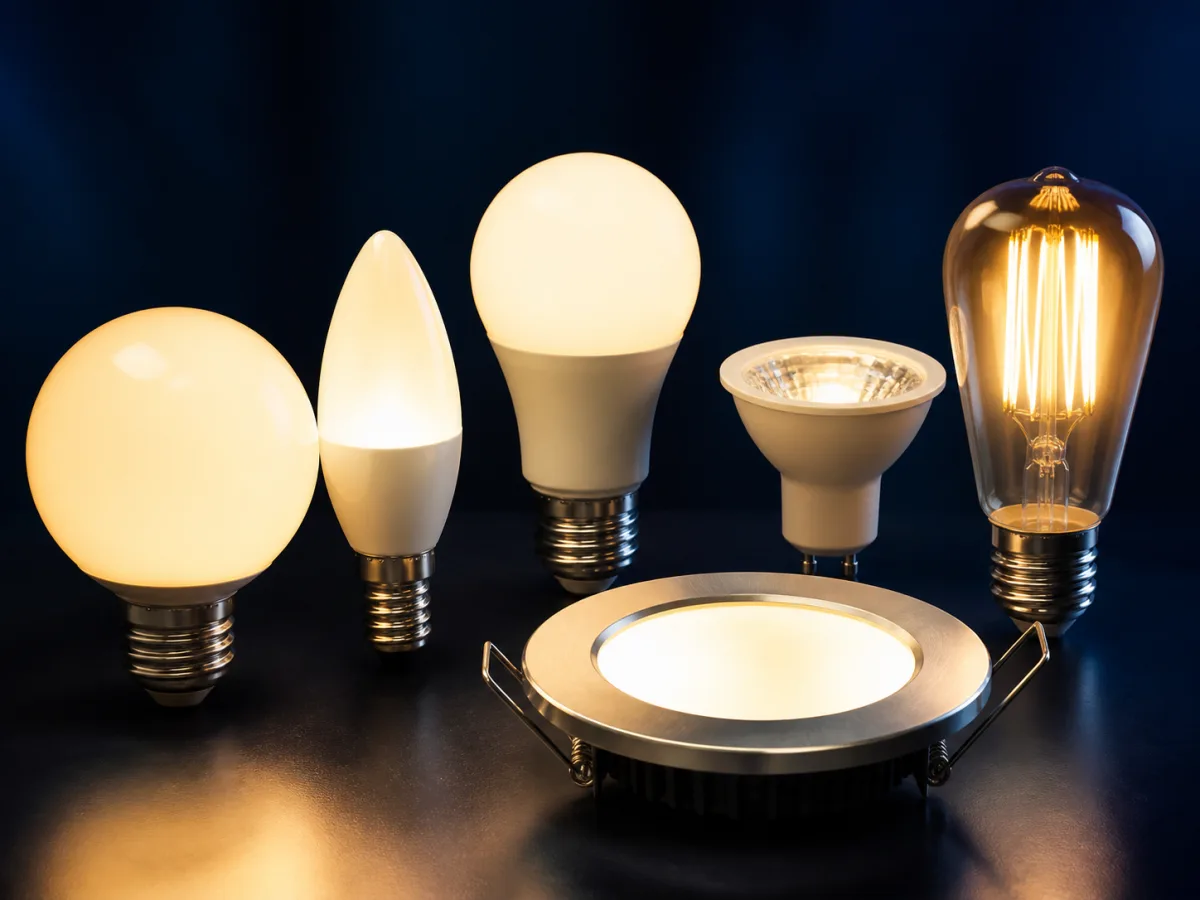
Colour temperature is decided with the envelope in a low-energy house, because a thick wall and a light pipe change what arrives before a bulb is switched on: colour temperature after a retrofit takes the two together.
Judge the result honestly
Evaluate against the original goal, not against an idealized version invented afterward. Ask whether the main point is obvious, whether cost and time were reasonable, and whether another person could repeat the process from your notes. If feedback is vague, request comments on clarity, reliability, comfort, durability, or value rather than asking for a general opinion.
Observe first, build small, document honestly, and adjust with evidence.
Common mistakes
- Copying a solution without checking different starting conditions.
- Treating one success as proof that every variable was understood.
- Choosing complexity when a smaller test would answer the question sooner.
- Failing to save versions, dates, permissions, and maintenance notes.
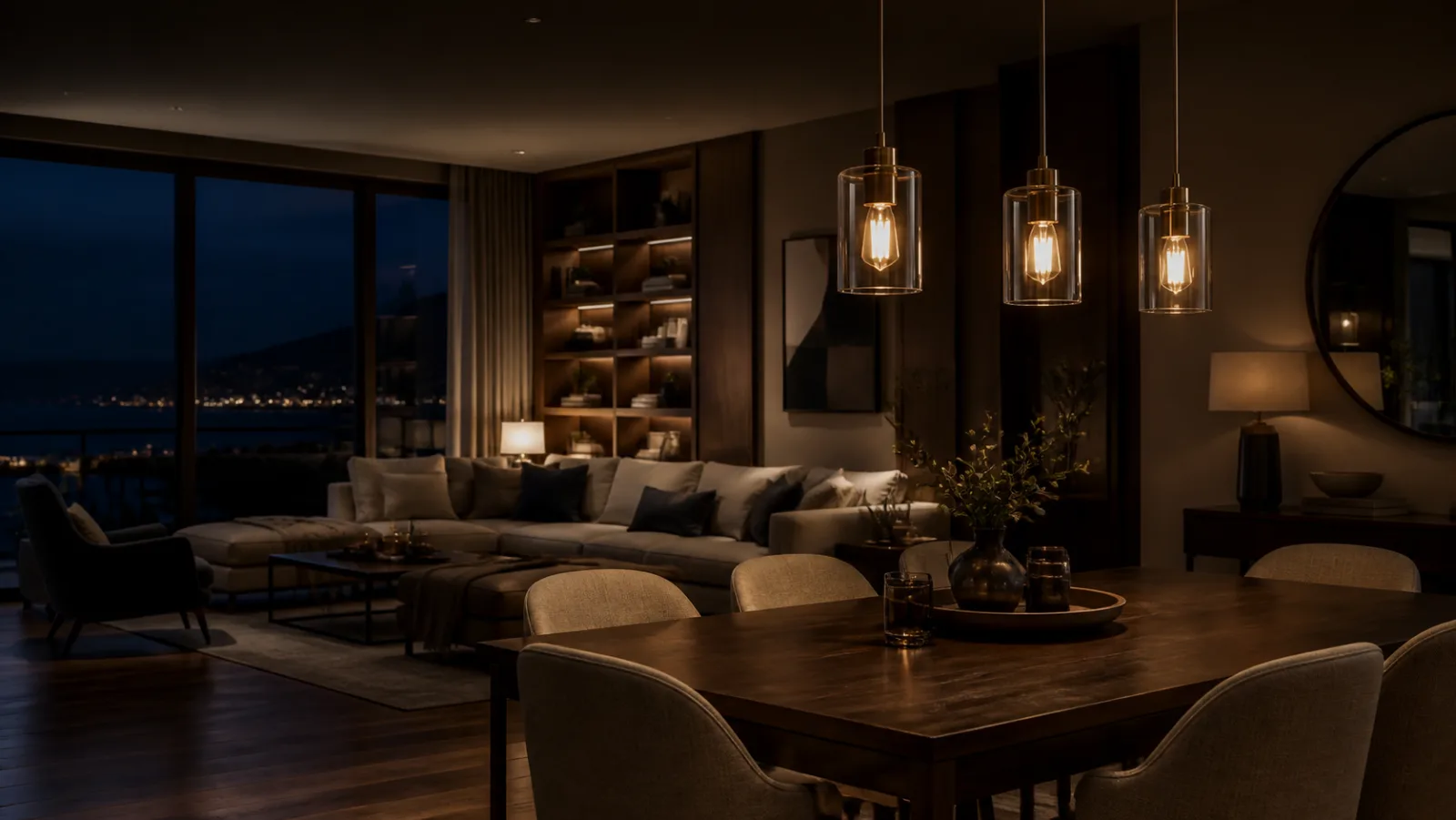
A common question is whether a whole house should share one color temperature. In practice, rooms with a single purpose tolerate one tone well, while open plans often need two. For older houses with deep rooms and few ceiling fixtures, the answer tilts toward one warm source placed low, which flatters wood, brick, and paint better than a grid of cool downlights. That reasoning is set out in the guide to warm white in living rooms, which walks through lamps, shades, and dimmers room by room.
One question the warm and cool white guide leaves open is what happens after the room lights go off. A hallway fitting that reads pleasant at 8 p.m. can look harsh at 2 a.m., when a smoke alarm chirps and someone walks the corridor half awake. The choice of hallway light colour therefore belongs to the night routine, not only to the daytime look. That guide covers how fittings and alarms share a ceiling and what a household should check before sleep.